Instant pot sambar, ready in minutes! This popular South Indian soup is made with lentils, mixed vegetables, and flavored with tamarind. Serve this stew with idli, dosa, or overtop steamed basmati rice.
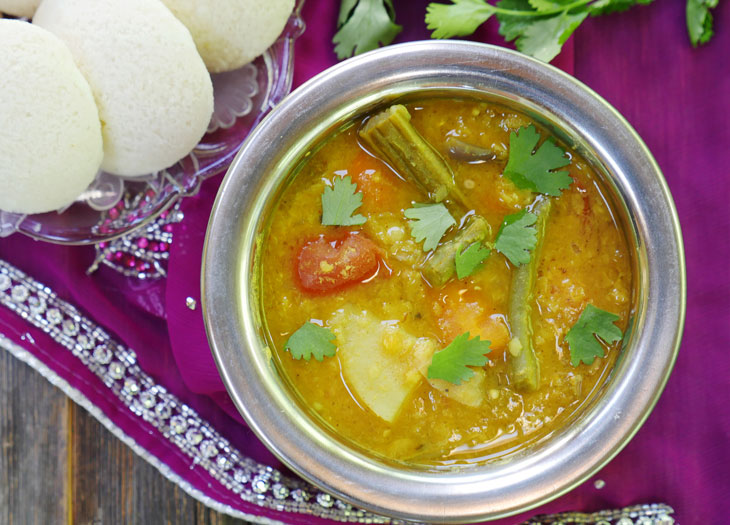
What is Sambar?
Every South Indian household makes its own version of this beloved dish. While spices can vary, there are a few staple ingredients in sambar: lentils (typically toor dal), mixed vegetables, and tamarind.
The type of vegetables in this stew can change depending upon the season and what’s available. The tamarind gives the dish a slightly fruity and tangy flavor, and a bit of sugar or jaggery lends a slightly sweet flavor.
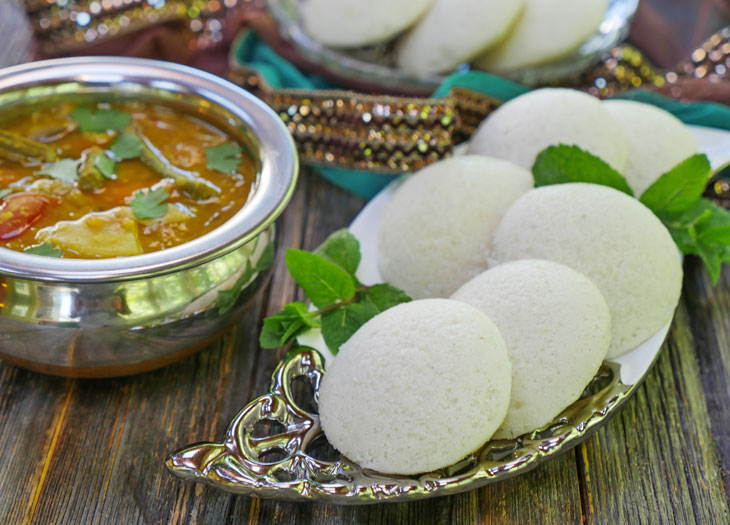
This dish is often served for breakfast or brunch, alongside idli or dosa.
“This was one of the best sambhar I ever made. Such an easy and quick recipe with lots of flavours. Thank you Ashley!”
Nikki
Instant pot sambar is the perfect dish to make any time of the year because it’s fresh, light, and filling all at the same time. This South Indian stew also happens to be naturally gluten-free, vegetarian, and vegan.
I love sambar on its own, but when you combine it with soft and fluffy idli? Oh my goodness. It’s the absolute perfect meal.
Okay well actually…
Maybe sambar and dosa is the absolute perfect meal…
I mean, both are amazing, but if I had to choose between idli and dosa… I’d choose dosa. Thoughts?
Here’s the thing. While I really love soft and fluffy idli, you can’t beat the crunch you get from dosa. I’m not sure there is anything better than dipping pieces of crispy dosa in a bowl of hot sambar. Some of the dosa gets soft, and then some parts stay crisp. It’s just so, so good.
When it comes to serving sambar, you really can’t go wrong with either idli or dosa. And if you can’t choose between the two, then I guess you can eat sambar like soup. Or you can make both, lol.
What Vegetables are in Sambar?
Sambar is typically made with mixed vegetables – use any vegetable you’d like. The great thing about sambar is that by switching up the vegetables, you can get a slightly different sambar every time you make this dish. Use what’s in season.
Here are few ideas of what to add to sambar:
- Eggplant
- Carrots
- Green Beans
- Potatoes
- Okra
- Drumsticks
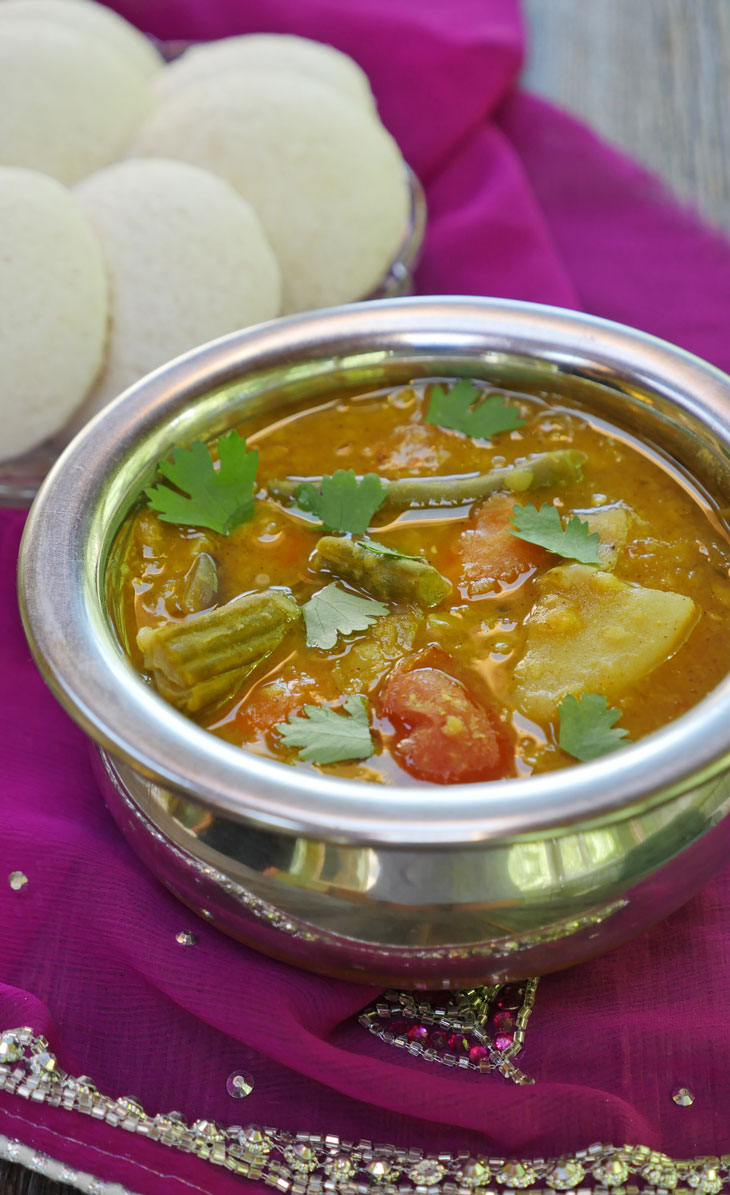
There’s one vegetable I mentioned above that may be new to you. Have you heard of drumsticks? Not like actual drumsticks, silly. I’m talking about the Indian vegetable – it’s apparently also known as moringa (though I’ve never actually heard anyone refer to this vegetable as moringa… like ever). Anyway, drumsticks are one of my favorite Indian vegetables in sambar – it’s the thick green-looking thing on the left side of the picture below.
When eating drumsticks, eat the pulpy inside and then discard the fibrous exterior (it’s similar to eating artichoke leaves – use your teeth to eat the pulpy portion, then toss out the rest). I have to use my fingers to eat this vegetable, but my (south Indian) husband somehow removes the pulpy part in his mouth, which for some reason absolutely fascinates me. I weirdly enjoy watching him eat drumsticks. I’m also (very) easily amused… Anyway, try it out – go to any Indian grocery store, and you’ll see it in the frozen aisle.
Can I use Pre-Made or Store-Bought Sambar Masala instead of Individual Spices?
Yes! If you’d like to use your own sambar blend or store-bought sambar masala, then leave out my spices and add the masala to taste.
I’ve listed individual spices for this recipe for those who don’t want to buy masala or for those who are like me and prefer to control the amount of spices used.
You’ll notice that in most of my recipes, I prefer to use individual spices rather than store-bought pre-made masalas (store-bought garam masala being the exception).
There are two reasons that I prefer to use individual spices:
- I can flavor the dish to my taste.
- I can offer my blog readers consistent results. Not all spice mixes are created the same, and so if you use a masala mix, there’s a chance you may not like the outcome, whereas I have tested my recipe using the exact amount of spices listed.
That said, you can absolutely use sambar masala if you have a family recipe or prefer to do it that way. Just make sure you like the masala mix, so you’re happy with the end result. If you do try my instant pot sambar as written, though, let me know!
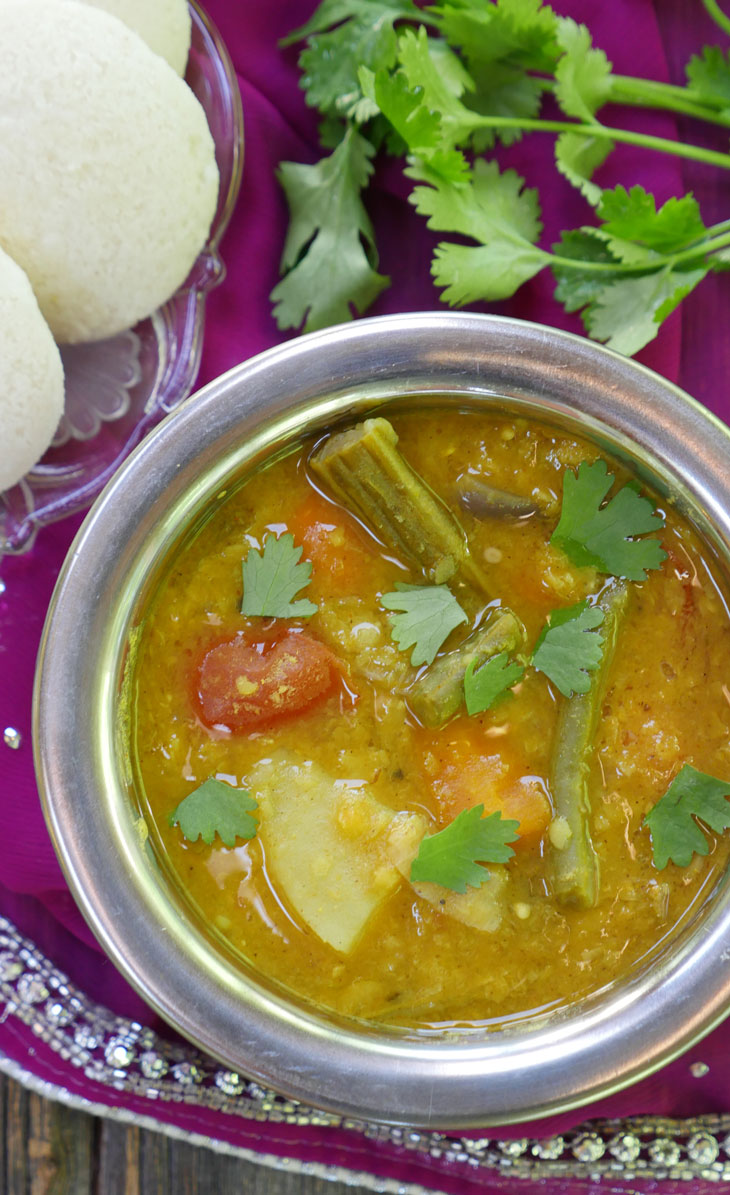

Instant Pot Sambar (Indian Split Pigeon Pea and Vegetable Soup)
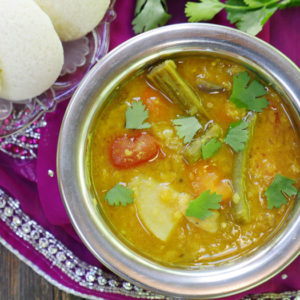
Instant Pot Sambar (Indian Split Pigeon Pea and Vegetable Soup)
Ingredients
- 1 cup split pigeon peas toor dal, soaked for 1 hour
- 1 tablespoon oil of choice
- ½ teaspoon black mustard seeds
- ¼ teaspoon fenugreek seeds methi
- 15 curry leaves
- 1 teaspoon minced garlic or garlic paste
- 1 teaspoon minced ginger or ginger paste
Spices
- 2 teaspoons coriander powder
- 2 teaspoons salt adjust to taste
- 1 teaspoon paprika
- ½ teaspoon turmeric
- ¼ teaspoon black pepper
- ¼ teaspoon cayenne
- ¼ teaspoon roasted cumin powder*
- ⅛ teaspoon hing optional
- 4 cups water
- 3 cups chopped mixed vegetables* see notes below
- 1 tomato chopped
- ½ onion chopped into chunks
- 1 teaspoon sugar or jaggery to taste
- 1 teaspoon tamarind paste
Instructions
- Soak the split pigeon peas (toor dal) in cold water for 1 hour. Drain, rinse and set aside.
- Press the sauté button, add the oil and allow it to heat up for a minute. Add the mustard seeds and fenugreek seeds. Once the mustard seeds begin to splutter, add the curry leaves, garlic, ginger and spices. Stir, then add the remaining ingredients and mix well.
- Secure the lid, close the pressure valve and cook for 10 minutes at high pressure.
- Naturally release pressure for 15 minutes. Open the valve to release any remaining pressure.
- Serve over rice or with idli or dosa.
Notes
- *This dish is typically made with mixed vegetables like okra, eggplant, carrots, green beans, potatoes and drumsticks. You can find drumsticks, also known as moringa, in the frozen aisle of any Indian grocery store. When eating drumsticks, eat the pulpy inside and then discard the fibrous exterior (it’s kind of like eating artichoke leaves).
- To make roasted cumin powder: heat a skillet over low heat and dry roast cumin seeds (I usually do 1 cup) for 5-10 minutes, stirring occasionally until the color of the cumin changes to a dark brown. Turn off the heat and allow the cumin seeds to cool down. Place the cumin into a spice grinder and blend until smooth. Store in an airtight jar and use within 6-8 months for the most flavor.


Safa Khan says
Good recipe, but I made some edits and it came out fantastic and super yummy! The whole family loved it and it tasted like what we get in the restaurant. The main changes are adding Hing, bagar and hand mixing at the end. When I changed in detail: I added cardamom, cloves and hing to the sambar before pressure cooking. When the 10 minutes ends, I quick released. I used a hand blender to blend the lentils a little (not fully). I then added 1 cup of frozen okra, 1 cup of frozen long cut carrots, squash and bell peppers (summer mix) and 1 cup of frozen peas. I pressure cooked the mix for another 1 minute and quick released. I added a bagar at the very end.
Bagar
1 tbsp Oil
1 tsp mustard seeds
3-4 whole chili
Hing
10 curry leaves
Cook until mustard pops.
Vatsala Menon says
I’m so disappointed your sambar recipe has ginger and garlic. That is absolutely not used in any South Indian household I’m aware of
Ashley - My Heart Beets says
Everyone makes it differently!
Misbah says
I’m South Indian and we go put garlic in sambar
KG says
I’m also South Indian, and my family adds ginger and garlic because we love them ❤️ I know some people don’t, but it’s very yummy!
Kevin says
I have made this twice now with a slightly different vegetable mix. Loved it both times but cut way back on the curry leaves the second time. The first time it seemed to really overpower the other spices. I will be making it again soon.
Ashley - My Heart Beets says
Kevin, I’m glad you liked it! Thanks for letting me know how it turned out for you 🙂
Nikki says
This was one of the best sambhar I ever made. Such an easy and quick recipe with lots of flavours. Thank you Ashley!
Ashley - My Heart Beets says
Nikki, that’s so great to hear! Thanks for letting me know how much you liked it 🙂
Happy says
I am so happy to find an easy recipe that doesn’t use a pre-packaged spice mix. I really dislike using mixes. That said, I would have liked a bolder flavor – perhaps more tangy and spicy. Maybe I’ll use more tamarind next time? I’m not sure what adjustment to make. But this is a good recipe and it is worth a little experimenting to find what suits my taste.
Ashley - My Heart Beets says
Hi, you can try adding more tamarind paste – that’ll help make it tangier. I also highly recommend using fresh spices if you aren’t already – they make a world of difference!
Tanya says
Ashley Ashley Ashley :D……
What can I say, another splendid recipe !!
How did I ever cook before discovering the instantpot now I’m wondering haha
Ashley - My Heart Beets says
Hooray! I’m so glad you liked the sambar so much! Thanks for letting me know how it turned out 🙂
Sarah says
Oh my gosh this is delicious (and easy!). Can’t wait to make it again. Thanks for the recipe!
Ashley - My Heart Beets says
Thank you, Sarah! I’m so glad you liked the sambar 🙂
Miriam says
Hi Ashley
I recently discovered your website.Made instant pot sambhar .It was finger licking good.
I am South Indian and made it traditional way and used sambhar powder for convenience..This will be my go to recipe for Sambhar and hope to share it with my family .We also use hing .So I added it after the cooking and gently stirred it.😋😋
Ashley - My Heart Beets says
Miriam, I’m so glad to hear that! Thank you for letting me know how it turned out 🙂
Kalpana says
Hi Ashley,
How many serving does this make? I looked but couldn’t find it in the recipes.
Thanks
Kalpana
Ashley - My Heart Beets says
Hi Kalpana, I’d say this serves 4. Hope that helps!
Rozina Hirani says
Hi I was wondering if you can show how to put dal & rice together in the instant pot to cook with sambar & for how long.
Ashley - My Heart Beets says
Hi Rozina, to cook rice and dal together, put a tall trivet into the pot with a container filled with 1 cup of rice and 1 cup of water and a bit of salt. You can likely reduce this cook time to 6 minutes so as to not overcook the rice – I think it’ll cook in that amount of time since we’re soaking the dal for 1 hour. Once I get a chance to try this I will update the post as well 🙂